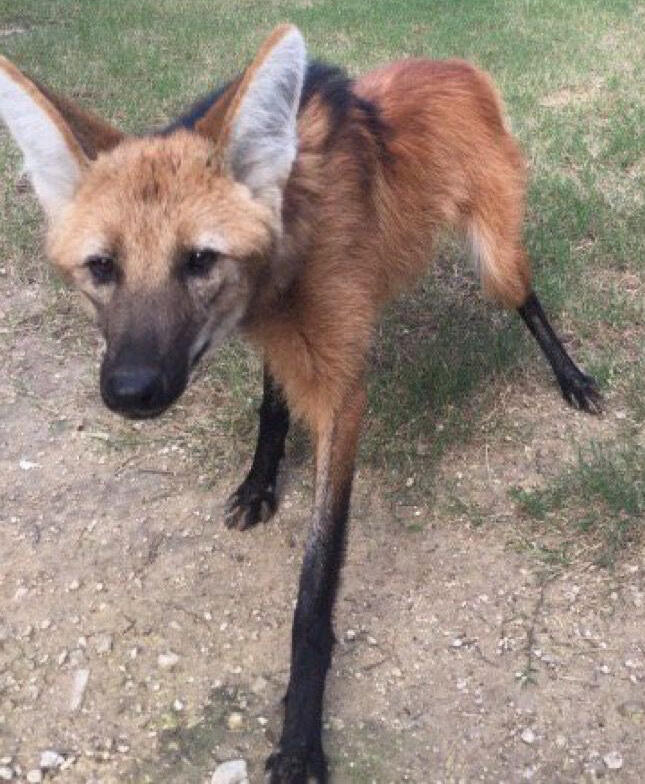
Maned wolf🌿🌾🐾
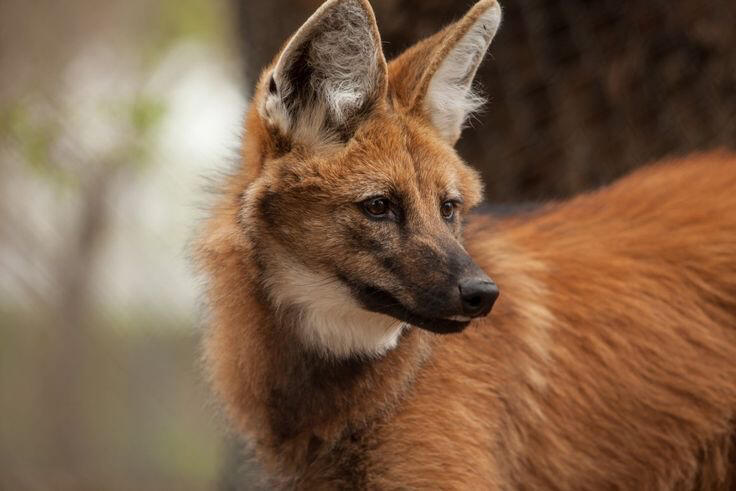
What are they?
Maned wolves, contrary to popular belief, are neither wolves, foxes or deers. Theyre their own genus named ‘chrysocyon’. They’re the tallest wild canine, and they’re the most well known from nicknames like “fox on stilts” or “deer in a fox’s body”.
Diet
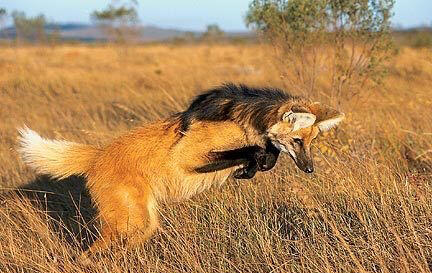
Despite canines usually being carnivores, maned wolves are actually omnivores, and theyre often found eating wolf apples (a green tomato-looking fruit specifically named after them), berries and they’ve also been spotted chewing on sugar cane (sweet tooth fr). Their meat intake consists of small rodents they can spot by using their large ears, and birds and insects whom they catch mid-air! They hunt at dusk and dawn, and they eat around 1kg worth of food every day.
Where do they live?
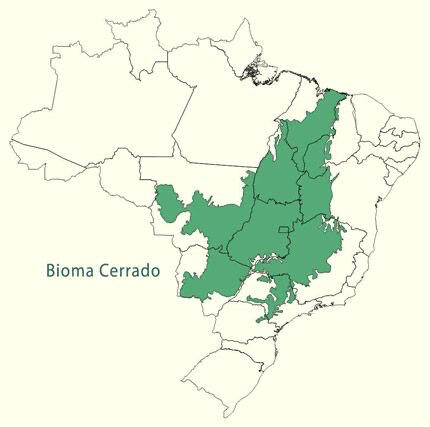
Maned wolves are native to central south america, and they mainly live in a gigantic biome called the cerrado. 90% of their estimated 17.000 population lives in Brazil. They also live in Peru, Bolovia, Paraguay and a very small amount of the population has been found in Uruguay. They share a territory of 26 km² with their partner, although they keep to themselves outside of mating season.

Mating, pups & lifespan
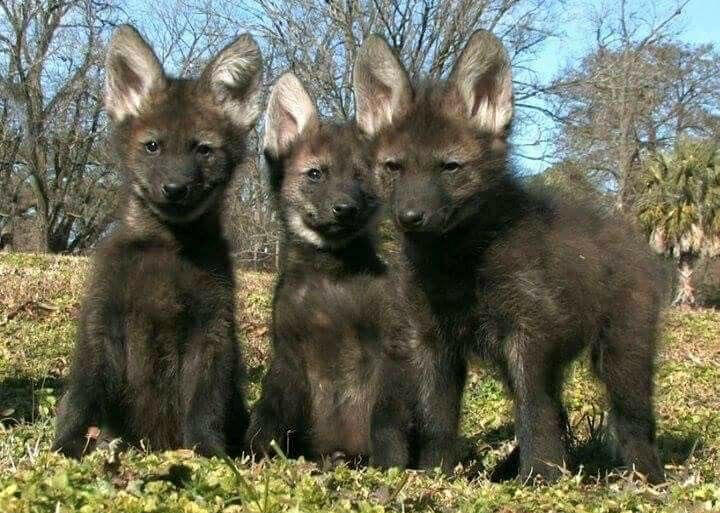
Maned wolves live in monogamous pairs, and they mate between November and April. Babies are born in litters of 1 or 2 pups, and they start out being mainly black and grey, until they start to get their signature red coat as they get older. They stop clinging to their mother after 6-7 months, and after around a year they leave the territory to find a mate on their own. The general life span of maned wolves are unknown in the wild, but in capture they generally live for 6.5 years, although they can live up to 12-15 years.
Endangerment
According to the IUCN Red List of Threatened Species, maned wolves are near threatened, and theres estimated to live less than 5.000 outisde of Brazil. Other than their territories being ruined because of deforestation, they get hunted by farmers who does’nt wanna lose their small livestock. It’s also mildly popular to hunt them for sport, and certain parts of their body have different meanings in central south american cultures. In some regions of Brazil, parts of the maned wolf is believed to help for multiple diseases, and in Bolivia its believed to give good luck if you mount a saddle made of their leather. A lot of the negative view of them as a predator comes from European ethnocentrism, where people often had problems with wolves or foxes.

Fun silly facts!!
𓃦They primarily communicate by smell, and that is made known in the scent of their urine which smells like a mix of weed and skunk.𓃦The police were once called to Rotterdam zoo because it was believed that someone was smoking inside the zoo, turns out it was just their maned wolf marking its territory!𓃦They have an infamous “roar-bark” which sounds much like the description, and can be heard 1-3km away